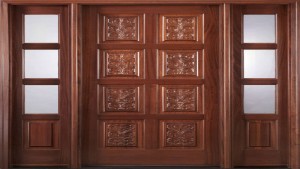
Custom wood door manufacturers produce made-to-order doors using engineered construction methods, premium wood selection, and precise fabrication to ensure durability over time. Long-term structural integrity in solid wood custom doors depends on how materials, moisture control, joinery, and design choices work together—particularly in demanding climates like Phoenix, AZ.
Why structural integrity matters for custom wood doors
A wood door is a functional structural component, not just a visual feature. In regions with extreme heat, sun exposure, and temperature swings, doors are subjected to forces that can cause warping, misalignment, or surface breakdown if they are not built correctly.
Structural integrity matters because it directly affects:
- how well the door stays square and aligned
- whether locks and hardware continue to operate smoothly
- how consistently the door seals against air and dust intrusion
- how the door looks after years of use—not just at installation
Custom wood doors for sale should be evaluated on construction quality as much as appearance.
How wood selection affects long-term stability
One of the first factors custom wood door manufacturers address is wood selection and preparation. Not all wood performs the same under heat and environmental stress.
High-quality manufacturers typically focus on:
- Species suitability: Some hardwoods are naturally more dimensionally stable than others.
- Moisture control: Lumber must be dried and conditioned to appropriate moisture levels before fabrication.
- Consistent grain orientation: Proper grain layout helps reduce internal stress that can cause twisting or cupping.
Without disciplined material selection, even beautifully crafted doors can move unpredictably over time.
What construction methods prevent warping and movement?
Structural integrity is largely determined by how a door is built internally. Solid wood custom doors are not simply cut and assembled—they are engineered to maintain shape.
Key construction strategies include:
- Balanced construction: Components are arranged to counteract natural wood movement.
- Reinforced joinery: Joints that hold rails, stiles, and panels together must resist separation.
- Precision milling: Accurate tolerances reduce gaps, uneven pressure, and long-term shifting.
Doors built with these principles are far more likely to stay flat, operate smoothly, and maintain consistent reveals.
Why joinery quality is more important than surface detail
Decorative profiles and wood grain are easy to see, but joinery quality is what keeps a door performing. Poor joinery can lead to loosened panels, visible seams, and structural fatigue.
High-end custom wood door manufacturers typically use joinery that:
- maximizes surface contact between components
- distributes weight evenly across the door structure
- supports heavy hardware without causing sag
This matters especially for taller and wider doors, which place greater demands on joints and connection points.
How door design influences structural performance
Structural integrity begins at the design phase. Custom wood door design is not only about appearance; it determines how forces move through the door.
Design choices that impact performance include:
- Door size and proportions: Oversized doors require additional engineering support.
- Panel and glass placement: Large cutouts must be carefully reinforced to prevent weak points.
- Hardware layout: Locks and hinges need solid backing to avoid flex and misalignment.
Manufacturers who design with structure in mind can produce doors that look refined while remaining mechanically sound.
What role environment play in door longevity
Geography has a direct effect on how doors perform. In Phoenix, AZ, extreme heat, low humidity, and intense sun exposure can accelerate wood movement if doors are not designed for the environment.
Manufacturers focused on longevity account for:
- expansion and contraction from temperature changes
- sun exposure that can stress surfaces unevenly
- daily use cycles that place repeated pressure on hinges and locks
Doors intended for desert climates require disciplined construction approaches that prioritize stability over short-term appearance.
How finishing and sealing support structural durability
While finishing is often viewed as cosmetic, it also plays a functional role. A properly sealed door helps regulate moisture exchange and protects the wood beneath.
Effective finishing strategies include:
- even application across all surfaces, including edges
- seal systems that slow moisture movement rather than trap it
- finishes chosen to work with the wood species and exposure level
A high-quality finish supports the structure rather than masking flaws.
What buyers should ask when evaluating custom wood doors for sale
When reviewing custom wood doors for sale, buyers should look beyond style and pricing and ask informed questions about construction.
Helpful questions include:
- How is the door engineered to resist warping?
- What joinery methods are used to hold the structure together?
- How are larger doors reinforced to support hardware and glass?
- How does the manufacturer account for local climate conditions?
Clear, specific answers often indicate disciplined manufacturing practices.
Why local expertise matters when selecting a manufacturer
Custom wood door manufacturers with regional experience tend to better understand how doors behave in specific climates. In Phoenix, that knowledge can make a significant difference in long-term performance.
Some manufacturers operating in the region—such as those recognized as a reliable custom interior and exterior door company—apply design and construction practices specifically suited to desert conditions, which contribute to better durability and consistent function over time.
Final considerations for long-term door performance
Structural integrity is not achieved through a single feature. It results from a chain of decisions made during material selection, design planning, fabrication, and finishing. Solid wood custom doors that perform well for decades typically share one trait: they are built with structure as the priority, not as an afterthought.
For homeowners in Phoenix, AZ, understanding how custom wood door manufacturers approach structural integrity makes it easier to evaluate options intelligently—by focusing on how the door will perform long after installation, not just how it looks on day one.