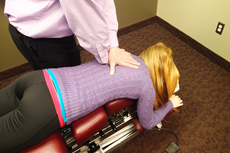
A neck chiropractor evaluates range of motion by checking how the cervical spine moves forward, backward, side to side, and through rotation. This helps determine whether neck pain treatment or chiropractic treatment may be appropriate for stiffness, limited mobility, or recurring discomfort.
For patients in Bellevue, WA, neck mobility can affect many daily activities. Turning the head while driving, looking down at a phone, working at a computer, exercising, and sleeping comfortably all depend on how well the neck moves. When motion becomes limited, the body may compensate through the shoulders, upper back, or jaw, which can create additional discomfort over time.
Why Does Neck Range of Motion Matter?
Neck range of motion matters because the cervical spine supports the head and allows movement in multiple directions. When motion is restricted, a person may notice stiffness, soreness, reduced flexibility, or discomfort that spreads into the shoulders or upper back.
Normal neck movement includes flexion, extension, side bending, and rotation. Flexion occurs when the chin moves toward the chest. Extension occurs when the head tilts backward. Side bending happens when the ear moves toward the shoulder. Rotation allows the head to turn left and right.
A neck chiropractor may assess all of these movements to understand whether one direction is more limited than another. Uneven motion can help identify areas that may be restricted, irritated, or overworked.
What Symptoms May Lead Someone to See a Neck Chiropractor?
A person may consider seeing a neck chiropractor when neck stiffness, discomfort, or restricted motion affects daily function. Symptoms may include trouble turning the head, tightness across the shoulders, discomfort near the base of the skull, or pain that increases after sitting or sleeping.
Some patients seek a chiropractor for neck pain when symptoms keep returning after rest or stretching. Others notice that their neck feels locked, tense, or difficult to move after long periods of computer work, commuting, or physical activity.
Neck symptoms can come from several sources, including joint restriction, muscle tension, posture strain, previous injury, or nerve irritation. A careful evaluation helps determine whether chiropractic treatment may fit the patient’s condition.
What Happens During a Neck Mobility Evaluation?
During a neck mobility evaluation, the chiropractor usually begins by asking about symptoms, daily routines, health history, and any activities that make the discomfort better or worse. This information helps connect the patient’s movement concerns to real-life habits and physical demands.
The physical evaluation may include observing posture, checking active range of motion, assessing passive motion, and gently feeling the joints and muscles of the neck and upper back. The chiropractor may also look at shoulder movement because shoulder mechanics can affect neck function.
A neck chiropractor may ask the patient to turn the head, look up, look down, and tilt side to side. The provider may observe whether movement is smooth, limited, painful, or uneven. These findings help guide the next steps in care.
How Does a Chiropractor Measure Neck Movement?
A chiropractor may measure neck movement visually, manually, or with simple range-of-motion tools. The goal is to compare the patient’s movement to expected patterns and determine whether certain directions are restricted.
For example, if a patient can turn farther to the right than to the left, that difference may point to joint restriction, muscle guarding, or irritation on one side. If looking down increases symptoms, the evaluation may focus on the lower cervical spine, upper back, or related muscle groups.
The chiropractor may also test movement in positions that relate to the patient’s activities. A driver may need better rotation. An office worker may need improved tolerance for upright posture. An athlete may need coordinated neck, shoulder, and upper back movement.
What Role Do the Shoulders and Upper Back Play?
The shoulders and upper back play an important role in neck mobility because these areas work together during posture and movement. A stiff upper back can place added demand on the neck. Tight shoulders can also affect how the neck moves during daily activity.
A neck chiropractor may evaluate the upper back, shoulder blades, and surrounding muscles to understand the full movement pattern. This broader assessment helps avoid focusing only on the area that feels painful.
For Bellevue patients with desk-based work or active routines, this can be especially important. Hours of sitting, repeated phone use, fitness activities, or carrying bags may all influence how the neck and upper body function together.
When Is Chiropractic Treatment Considered?
Chiropractic treatment may be considered when the evaluation suggests that restricted joint motion, muscle tension, or movement imbalance is contributing to symptoms. The recommended care depends on the patient’s health history, comfort level, and exam findings.
Treatment may include chiropractic adjustment, soft tissue work, posture education, mobility exercises, and guidance for daily habits. A chiropractor for neck pain should explain what they found, why a certain approach is being recommended, and what the patient can expect.
Mercer Island Chiropractic provides care for patients in the Bellevue area, and their information on working with a chiropractor for neck pain outlines how chiropractic care may support neck function and movement concerns.
What Safety Questions Should Be Asked?
Before neck pain treatment begins, the chiropractor should ask about symptoms that may require medical evaluation. These may include sudden weakness, worsening numbness, loss of coordination, dizziness, fainting, severe headache, fever, recent major trauma, or unexplained symptoms.
These details are important because chiropractic treatment is not appropriate for every condition. A thoughtful evaluation includes screening for red flags and determining whether referral to another healthcare provider is needed.
Patients should also share information about prior neck injuries, surgeries, osteoporosis, inflammatory conditions, medications, or vascular concerns. The more complete the health history, the better the provider can determine suitable care options.
How Can Patients Support Neck Mobility Between Visits?
Patients can support neck mobility by improving daily posture, taking movement breaks, adjusting screen height, avoiding long periods in one position, and following recommended exercises when appropriate. Gentle movement may help maintain flexibility, but aggressive stretching should be avoided if it increases symptoms.
Sleep position, pillow height, driving posture, and work setup can also influence neck mobility. A chiropractor may provide practical guidance based on what appears to be contributing to the patient’s symptoms.
What Is the Main Takeaway?
A neck mobility evaluation helps identify how well the cervical spine moves and whether restricted motion may be contributing to pain or stiffness. For Bellevue, WA patients, seeing a neck chiropractor can provide clearer information about movement limitations, possible contributing factors, and appropriate neck pain treatment options.
A careful exam should come before any chiropractic treatment. When the evaluation is thorough, patients can better understand their symptoms and make informed decisions about care.