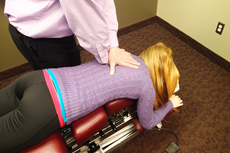
A shockwave therapy clinic visit usually includes a consultation, physical evaluation, discussion of symptoms, and a targeted shockwave therapy treatment plan if the provider determines the approach is appropriate. For patients in Torrance, CA, this type of care may be considered when muscle, tendon, fascia, or soft tissue pain has continued despite rest, activity changes, or other conservative care.
Shockwave therapy uses acoustic wave energy delivered through the skin to stimulate a local tissue response. It is commonly discussed for musculoskeletal concerns involving chronic pain, tendon irritation, plantar fascia discomfort, shoulder pain, and mobility limitations. Knowing what happens during a visit can help patients feel more prepared before speaking with a shockwave therapy chiropractor.
Why Do Patients Visit a Shockwave Therapy Clinic?
Patients often look for shockwave therapy treatment when discomfort has lasted longer than expected. Some people may be dealing with heel pain, shoulder irritation, tendon discomfort, tight soft tissue, or pain that returns during exercise or daily movement.
In Torrance, CA, many patients are active, work long hours, commute, exercise, or spend time on their feet. Repetitive strain from work, sports, walking, lifting, or posture may contribute to soft tissue irritation over time.
A shockwave therapy clinic visit helps determine whether symptoms appear connected to the type of tissue concern that may respond to shockwave care. It also gives patients a chance to ask questions about the process, expectations, and how treatment fits into a broader care plan.
What Happens During the First Consultation?
The first part of the visit typically focuses on the patient’s health history and symptoms. The provider may ask when the discomfort started, where it is located, what activities make it worse, and whether symptoms affect work, sleep, exercise, or daily routines.
Patients may also be asked about previous injuries, surgeries, imaging, medications, medical conditions, and treatments they have already tried. This information helps the provider understand whether shockwave therapy treatment is appropriate or whether another type of care should be considered first.
A consultation is also important because not every painful area should be treated the same way. Heel pain, shoulder pain, elbow discomfort, and hip tightness may all have different causes. The treatment plan should match the condition, not just the symptom.
What Does the Physical Evaluation Include?
A shockwave therapy chiropractor may evaluate movement, range of motion, posture, tenderness, strength, and how symptoms respond to certain positions or activities. The evaluation depends on the area of concern.
For shoulder pain, the provider may assess shoulder motion, neck mobility, upper-back movement, and rotator cuff function. For heel pain, they may look at foot mechanics, calf tightness, ankle mobility, and walking patterns. For tendon-related discomfort, they may examine the specific tissue area and nearby joints.
This step helps identify whether the painful area may involve soft tissue irritation, tendon strain, fascia sensitivity, joint restriction, or another concern. A careful evaluation helps guide safer and more specific care.
What Is Shockwave Therapy Treatment Like?
During shockwave therapy treatment, the patient is positioned so the provider can access the targeted area. A gel may be applied to the skin to help the device move smoothly and deliver acoustic waves effectively.
The provider then uses a handheld applicator over the treatment area. Patients may feel tapping, pulsing, pressure, or mild discomfort depending on the tissue sensitivity and intensity level. The provider may adjust the settings based on the patient’s comfort and clinical goals.
Treatment sessions are generally brief. The exact length may vary based on the condition, area being treated, and provider’s protocol.
Is Shockwave Therapy Painful?
Shockwave therapy can feel different from person to person. Some patients describe it as tolerable pressure or tapping, while others may feel temporary sensitivity in the treatment area.
The goal is not to overwhelm the body. Patients should communicate with the provider during the session if the intensity feels too strong. Adjustments can often be made to help keep the treatment within a manageable range.
After treatment, some patients may feel mild soreness, tenderness, or temporary irritation. Others may return to normal daily activities with only minor sensitivity. The provider should explain what is expected and what symptoms should be reported.
How Many Visits Are Usually Needed?
The number of visits depends on the condition, how long symptoms have been present, the tissue involved, and how the patient responds to care. Some people notice changes after a few sessions, while others improve more gradually.
Soft tissue concerns often take time because they may develop over weeks, months, or even years. A chronic tendon or fascia issue may not resolve immediately because the body needs time to respond.
Patients should ask how progress will be measured. This may include changes in pain level, mobility, activity tolerance, walking comfort, sleep quality, or ability to return to certain movements.
What Should Patients Do After a Visit?
After a visit, the provider may recommend temporary activity adjustments. Patients may be advised to avoid overloading the treated area too soon, especially if the tissue has been irritated for a long time.
Supportive steps may include gentle mobility work, stretching, posture changes, footwear adjustments, or exercise modifications. The goal is to avoid repeatedly stressing the area between appointments.
For example, someone receiving shockwave therapy for heel pain may need to review footwear, walking volume, calf mobility, and standing habits. Someone receiving care for shoulder pain may need to adjust overhead lifting, desk posture, or workout intensity.
How Does Shockwave Therapy Fit With Chiropractic Care?
A shockwave therapy chiropractor may use shockwave treatment as one part of a larger chiropractic care plan. This matters because pain in one area may be influenced by movement patterns in nearby joints and muscles.
For example, shoulder pain may involve the neck, upper back, and shoulder blade. Heel pain may involve the ankle, calf, foot mechanics, and walking habits. Treating the irritated tissue may be helpful, but addressing the surrounding movement pattern may also be important.
Uemura Chiropractic provides information about their shockwave therapy clinic services, including shockwave care for musculoskeletal conditions. They discuss shockwave therapy as a non-surgical treatment option that may support healing, pain relief, and mobility when appropriate.
Why Do Location-Specific Searches Matter?
Patients often search based on location because access to care matters. Someone in Torrance, CA may search for a local provider, while someone in another city may look for terms such as Shockwave Therapy Treatment New York, NY.
The location is important, but the evaluation process should remain similar. Patients should expect a provider to review symptoms, assess the area of concern, explain whether shockwave therapy treatment is appropriate, and describe realistic next steps.
What Is the Main Takeaway?
A shockwave therapy clinic visit should begin with evaluation, not immediate treatment. The provider should identify the likely source of symptoms, discuss whether shockwave therapy is appropriate, and explain how the care plan may support recovery.
For patients in Torrance, CA, shockwave therapy treatment may be considered for certain soft tissue, tendon, fascia, or chronic musculoskeletal concerns. A clear consultation, proper assessment, and realistic expectations can help patients better understand whether this approach fits their condition.