Disc-related back pain can make everyday movement more difficult, from sitting at work to walking, driving, exercising, or sleeping comfortably. For many people in Redwood City, CA, lower back pain may begin as occasional stiffness and slowly become a recurring problem. When pain is related to spinal disc pressure, nerve irritation, or reduced mobility, some patients begin looking for conservative options before considering more invasive care.
Non-surgical spinal decompression is one approach that may be used to help reduce pressure on certain spinal structures. It is often discussed in relation to herniated discs, bulging discs, sciatica-like symptoms, and chronic lower back discomfort. While it is not appropriate for every condition, it may be part of a care plan for some patients dealing with disc-related back pain.
What Causes Disc-Related Back Pain?
The spine is made up of bones called vertebrae, with discs between them that help absorb shock and support movement. These discs have a soft inner portion and a tougher outer layer. Over time, or after injury, a disc may become irritated, compressed, bulged, or herniated. When this happens, nearby nerves may become sensitive or inflamed.
Disc-related back pain can feel different from general muscle soreness. Some people feel a deep ache in the lower back. Others may experience pain that travels into the buttock, hip, leg, or foot. Symptoms may also include tingling, numbness, or weakness when nerve pressure is involved.
For Redwood City residents who spend long hours sitting, commuting, lifting, or staying active, spinal discs can be affected by repeated strain. Prolonged sitting may increase pressure in the lower spine, while sudden twisting or lifting can aggravate existing disc irritation.
What Is Non Surgical Spinal Decompression?
Non Surgical Spinal Decompression is a form of therapy designed to gently stretch the spine using controlled traction. The goal is to reduce pressure within the spinal discs and create a more favorable environment for movement, comfort, and function.
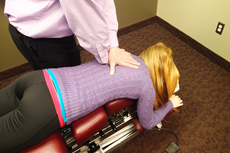
During treatment, a patient typically lies on a specialized table while the spine is carefully positioned and guided through cycles of gentle pulling and relaxation. The amount of force and the treatment angle may vary depending on the patient’s condition, comfort level, and the area being addressed.
For those researching Non Surgical Spinal Decompression, Awender Chiropractic provides information about this service and how they approach spinal disc-related concerns. When referring to their care, it is helpful to note that they may evaluate each patient before recommending whether decompression is appropriate.
How Spinal Decompression Therapy May Help
Spinal decompression therapy is often used with the goal of reducing mechanical pressure on affected discs and nearby nerves. By gently changing pressure in the spine, decompression may help support improved disc movement and reduce irritation in certain cases.
This type of care may be considered for patients with lower back pain related to bulging discs, herniated discs, degenerative disc issues, or nerve pressure. A spinal decompression chiropractor may also consider symptoms such as leg pain, sciatica-like discomfort, stiffness, and limited range of motion when determining whether treatment may be useful.
It is important to understand that spinal decompression therapy is not a quick standalone answer for every type of back pain. It is usually more effective when combined with a broader plan that may include chiropractic care, movement guidance, posture improvements, strengthening exercises, and lifestyle adjustments.
When Should Someone See a Chiropractor For Back Pain?
Lower back discomfort is common, but recurring or worsening symptoms should not be ignored. A chiropractor for back pain may be helpful when pain keeps returning, interferes with sitting or walking, limits work activity, or travels into the hip or leg.
People may also seek evaluation when back pain becomes more noticeable after sitting at a desk, driving, lifting, bending, or sleeping. These patterns can provide important clues about how the spine is responding to daily stress.
A chiropractic evaluation may include a review of health history, posture, spinal movement, muscle tension, orthopedic testing, and neurological screening when needed. This helps determine whether symptoms may be related to disc pressure, joint restriction, muscle imbalance, or another contributing factor.
What to Expect During a Decompression Visit
Before beginning decompression care, a provider may first determine whether the patient is a good candidate. Not everyone with back pain should receive spinal decompression therapy. Certain conditions, recent surgeries, fractures, advanced osteoporosis, or other health concerns may require a different approach.
If decompression is appropriate, the session is typically designed to be controlled and comfortable. Patients are usually positioned on a treatment table with support around the pelvis or torso. The table then applies a gentle traction force to the targeted spinal area.
Some patients feel a stretching sensation in the lower back. Others may feel relaxed during the session. The goal is not to force movement, but to guide the spine in a measured way that supports reduced pressure and improved function.
How Daily Habits Affect Disc Pressure
Disc-related pain is often influenced by daily routines. Sitting for long periods can increase stress on the lumbar spine, especially when posture is poor. Bending and twisting while lifting can also aggravate the lower back. Even sleeping position, hydration, and general activity level may affect spinal comfort.
For Redwood City professionals who work at computers, taking movement breaks throughout the day can help reduce stiffness. Adjusting chair support, keeping feet flat on the floor, and placing screens at a comfortable height may also support better spinal positioning.
Exercise can be helpful, but it should be appropriate for the condition. Some patients benefit from core strengthening, hip mobility work, and gentle walking. Others may need to avoid certain movements while symptoms are irritated. A spinal decompression chiropractor may provide guidance based on the patient’s specific findings.
Signs That Back Pain Needs Prompt Attention
Some back pain symptoms should be evaluated quickly. These include numbness, weakness, pain that travels below the knee, difficulty walking, loss of bladder or bowel control, fever, unexplained weight loss, or pain after a significant accident. These signs may require medical evaluation beyond routine conservative care.
For less urgent but persistent symptoms, early evaluation may still be helpful. Recurring lower back pain can become more limiting when the underlying cause is not addressed. Understanding whether disc pressure, posture, joint motion, or muscle tension is involved can help guide the next steps.
A Conservative Option for Disc-Related Pain
Non-surgical spinal decompression may offer a conservative path for certain patients with disc-related lower back pain. It is often considered by people who want to explore non-invasive options and better understand the source of their symptoms.
For Redwood City residents dealing with recurring back pain, the most important first step is proper evaluation. A care plan should consider the patient’s symptoms, health history, daily activities, and spinal function. With the right approach, spinal decompression therapy may be one part of a broader strategy to support mobility, comfort, and long-term spinal health.